In recent years, the Nigerian real estate market has witnessed both remarkable growth and significant challenges. From the rapid urbanization of key cities like Lagos, Abuja, and Port Harcourt to the impact of the global pandemic, the real estate landscape in Nigeria is constantly evolving. As the country positions itself as Africa’s largest economy, real estate remains one of the most promising investment sectors, and understanding the emerging trends can help investors, developers, and homebuyers make informed decisions.
But what does the future hold for Nigerian real estate? How will factors like population growth, technological advancements, and government policies shape the market? In this article, we explore the key real estate trends to expect in Nigeria in the coming years and what they mean for investors, homeowners, and the industry as a whole.
1. Urbanization Will Continue to Drive Demand
Nigeria is home to over 200 million people, and it is projected to be the third most populous country in the world by 2050. With this rapid population growth comes an increasing demand for housing, particularly in urban areas. Cities like Lagos, Abuja, and Kano are expected to continue expanding as more people move from rural areas in search of job opportunities, better living conditions, and modern infrastructure.
Urbanization is already transforming Lagos into a bustling metropolis, with new residential, commercial, and mixed-use developments springing up every year. As the population grows, so will the demand for affordable and high-quality housing, making real estate a hotbed for investment.
However, this rapid urbanization also comes with challenges. The supply of affordable housing still lags behind the growing demand, especially in key cities. In the coming years, we can expect a stronger focus on urban planning and sustainable development to address the housing shortfall and improve living conditions in Nigeria’s urban centers.
SEO Keywords: Nigerian real estate, urbanization in Nigeria, population growth, housing demand, real estate in Lagos, affordable housing Nigeria.
2. Affordable Housing Will Take Center Stage
One of the biggest challenges facing the Nigerian real estate market is the affordability gap. While there is a growing demand for housing, particularly in cities, many Nigerians still struggle to afford quality homes. The government and private developers are increasingly recognizing the need for affordable housing solutions to meet the needs of the middle and lower-income population.
In the coming years, we can expect to see more public-private partnerships focused on delivering affordable housing projects. Initiatives such as the Federal Mortgage Bank of Nigeria (FMBN) and the National Housing Fund (NHF) will likely play a more significant role in providing access to home financing for Nigerians.
Additionally, innovative construction methods like modular housing and prefabrication could reduce building costs, making it easier for developers to create affordable homes without compromising on quality. The need for affordable housing is not just a trend—it is a necessity that will shape the future of real estate in Nigeria.
SEO Keywords: affordable housing Nigeria, public-private partnerships, home financing Nigeria, real estate development, middle-income housing, housing solutions.
3. Technology Will Revolutionize the Market
The digital revolution is transforming industries across the globe, and real estate is no exception. In Nigeria, technology is playing an increasingly important role in how properties are marketed, sold, and managed. Proptech (property technology) is gaining traction as real estate companies embrace innovations like virtual tours, 3D home renderings, and automated property management systems.
In the coming years, we can expect to see even greater adoption of technology in Nigerian real estate. Virtual reality (VR) and augmented reality (AR) will allow buyers to take immersive tours of properties from the comfort of their homes. Blockchain technology could simplify property transactions, reducing fraud and increasing transparency. And data-driven insights will enable investors to make smarter decisions about where and when to invest.
Technology is also opening up new avenues for sustainable building practices. Smart homes equipped with energy-efficient systems, automated security, and remote access features will become more common as developers and homeowners prioritize convenience and sustainability.
SEO Keywords: Proptech in Nigeria, real estate technology, virtual reality in real estate, blockchain in real estate, smart homes Nigeria, sustainable building practices.
4. The Rise of Mixed-Use Developments
In response to the growing demand for live-work-play environments, mixed-use developments are becoming increasingly popular in Nigeria. These developments combine residential, commercial, and recreational spaces in one location, providing a convenient and modern lifestyle for residents. The idea is to create communities where people can live, work, and socialize without having to commute long distances.
Mixed-use developments are particularly appealing in cities like Lagos and Abuja, where traffic congestion is a major issue. By offering a blend of residential, office, and retail spaces, these projects reduce travel times and promote a more integrated way of living.
Over the next few years, we can expect to see more mixed-use projects springing up across Nigeria. This trend aligns with global urban development strategies and is a sign of the country’s growing focus on creating sustainable, efficient, and community-driven cities.
SEO Keywords: mixed-use developments, live-work-play communities, urban development Nigeria, real estate trends Nigeria, sustainable cities.
5. A Growing Focus on Sustainable and Green Building Practices
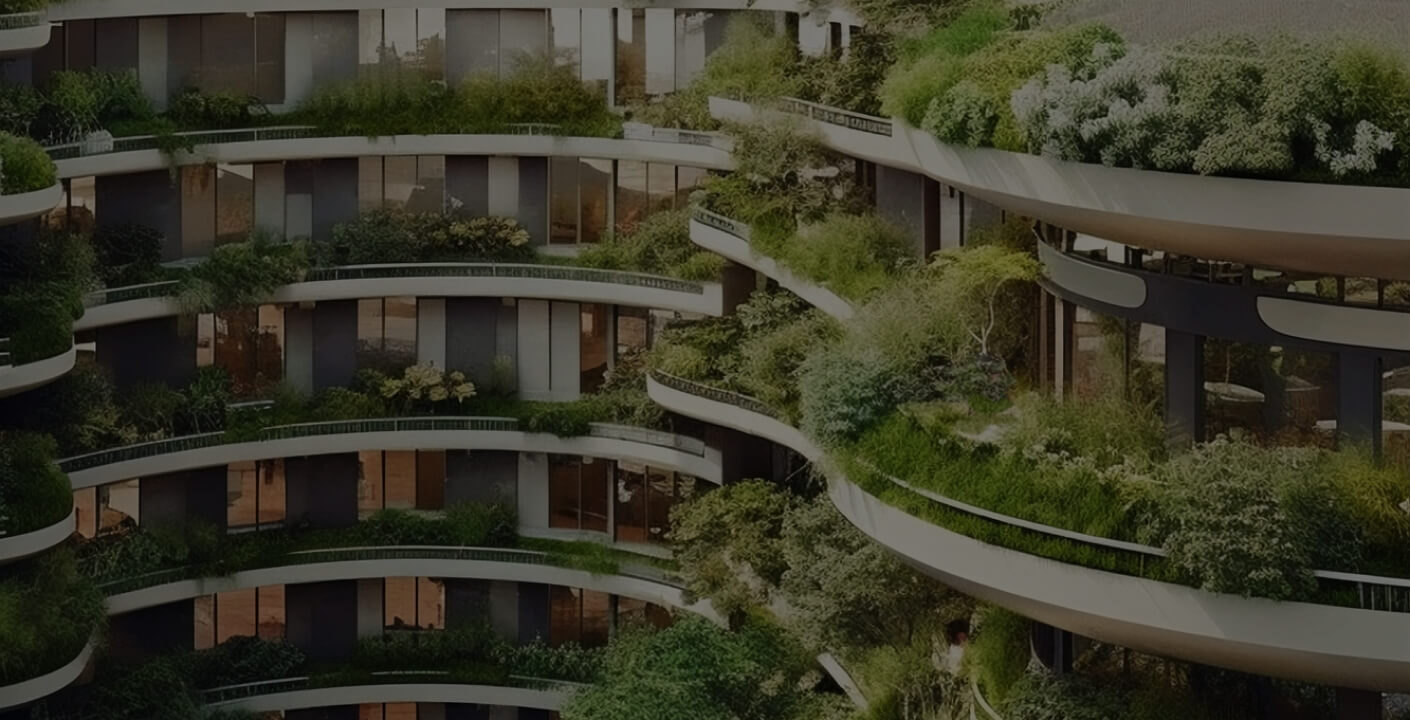
Sustainability is becoming a central focus in real estate development worldwide, and Nigeria is no exception. With the effects of climate change becoming more evident, developers and investors are increasingly prioritizing green building practices. Energy-efficient homes, eco-friendly construction materials, and renewable energy systems are gaining popularity as Nigerians become more aware of environmental issues.
In the coming years, we can expect more developments to incorporate green building standards, such as the Leadership in Energy and Environmental Design (LEED) certification. Sustainable designs will not only reduce the environmental impact of construction but also lower utility costs for homeowners.
As sustainability becomes a key consideration for developers, we’ll also see a rise in the demand for eco-friendly properties, especially among younger, environmentally conscious buyers.
SEO Keywords: sustainable building Nigeria, green homes Nigeria, energy-efficient homes, eco-friendly real estate, climate-conscious construction, LEED certification.
6. Increased Investment from the Nigerian Diaspora
The Nigerian diaspora has long played a significant role in the country’s economy, and real estate is one of the sectors benefiting from their investment. Nigerians living abroad are increasingly looking to invest in properties back home, driven by a desire to diversify their portfolios, secure retirement homes, or create family legacies.
In the coming years, we can expect to see more platforms and services specifically tailored to helping the diaspora invest in Nigerian real estate. Online property marketplaces, financing solutions, and trust-building initiatives will make it easier for Nigerians abroad to safely and securely purchase properties.
With a significant percentage of remittances from the diaspora going into real estate, this trend is set to shape the market for years to come. Developers and agents who understand the needs and preferences of this group will find ample opportunities in catering to their demands.
SEO Keywords: Nigerian diaspora investment, real estate remittances, investing in Nigeria from abroad, property investment Nigeria, Nigerian expat buyers.
7. A Boom in Short-Term Rentals and Co-Living Spaces
As Nigeria’s population continues to grow and urbanize, the demand for short-term rentals and co-living spaces is also on the rise. These options provide flexible and affordable living arrangements for people who need temporary housing, whether for work, travel, or lifestyle preferences.
Platforms like Airbnb are gaining popularity in Nigerian cities, particularly Lagos and Abuja, where short-term rentals are in high demand among tourists, business travelers, and expatriates. Meanwhile, co-living spaces offer a community-based, cost-effective alternative to traditional renting, making them particularly appealing to young professionals and students.
In the coming years, developers will likely focus more on creating properties specifically designed for the short-term rental market, as well as purpose-built co-living communities.
SEO Keywords: short-term rentals Nigeria, co-living spaces, Airbnb Nigeria, rental market trends, real estate investment, affordable housing solutions.
8. Government Policies and Infrastructure Development
Government policies play a critical role in shaping the real estate market in Nigeria. As the country works to address its housing deficit and promote economic growth, the government is expected to continue implementing policies aimed at boosting real estate development and attracting foreign investment.
In the coming years, infrastructure development—such as roads, bridges, and power supply—will be essential to the growth of the real estate market. Improved infrastructure will make previously inaccessible areas more attractive for development, driving up property values and creating new investment opportunities.
Additionally, we may see further reforms in land use and property rights, which could streamline the buying process and reduce fraud in the market.
SEO Keywords: government policies Nigeria, infrastructure development, real estate regulations, property rights Nigeria, foreign investment in real estate.
Conclusion: Preparing for the Future of Nigerian Real Estate
The Nigerian real estate market is on the cusp of significant transformation. As urbanization, technology, and sustainability drive change, the opportunities for growth are immense. Whether you’re an investor, developer, or homeowner, understanding these trends will help you stay ahead of the curve and make the most of the evolving landscape.
By keeping an eye on market demand, embracing new technologies, and focusing on affordability and sustainability, real estate professionals can position themselves for success in the years to come. The future of Nigerian real estate is bright, and those who are prepared will be well-positioned to reap the rewards.