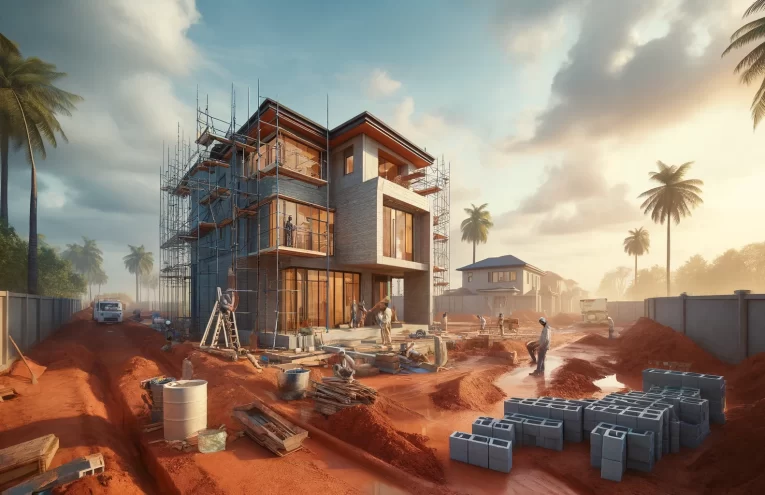

Imagine owning a piece of prime real estate in Lagos, Abuja, or any thriving Nigerian city without having millions of naira in your bank account. What if I told you that with as little as ₦500,000, you could be part of Nigeria’s booming real estate sector, making profitable investments in properties you could never afford on your own? Welcome to the future of real estate investment in Nigeria: crowdfunding.
Real estate has long been viewed as the domain of the wealthy — a playing field reserved for those with deep pockets. But what if you, a Gen Z living abroad or a millennial in Nigeria with big dreams and modest savings, could be a part of this highly lucrative industry? Real estate crowdfunding is making this possible. Whether you’re in London, New York, Dubai, or Lagos, this innovative approach to property investment is breaking down the barriers, allowing everyday Nigerians to become real estate investors with minimal capital.
Let’s dive into how this works and why real estate crowdfunding might just be the game-changer you’ve been waiting for.
What is Real Estate Crowdfunding?
At its core, real estate crowdfunding is a method of pooling funds from multiple investors to finance property projects. Instead of a single investor needing millions to buy an entire property, dozens or even hundreds of people contribute small amounts, allowing them to co-own or profit from the property collectively.
You’re not just throwing money into a vague promise; you’re buying a tangible slice of real estate. Think of it as joining forces with other investors to own and profit from a building, a piece of land, or even a new housing development. In Nigeria, this concept is still relatively new, but it’s gaining serious momentum, and for good reason: it allows anyone to invest in real estate without needing to go broke.
Why Should You Care?
For decades, the Nigerian real estate market has been notoriously difficult to break into. Whether due to the high cost of land, the challenges of dealing with developers, or the bureaucracy of property ownership, many aspiring investors have been shut out. But real estate crowdfunding is changing the rules of the game.
Now, you can:
- Invest in prime properties for as little as ₦500,000 or ₦1,000,000.
- Diversify your investments by putting small amounts in multiple properties rather than sinking all your capital into one.
- Benefit from real estate returns (which are often more stable and lucrative than stocks or other investments) without the traditional headaches of managing tenants or construction.
For Nigerians living in the diaspora, this presents an incredible opportunity. You can invest in the Nigerian real estate market while living abroad, without needing to handle property management, deal with agents, or navigate Nigeria’s sometimes confusing property laws. Crowdfunding platforms take care of the administrative side, allowing you to simply watch your investment grow from wherever you are.
How Does Real Estate Crowdfunding Work?
Crowdfunding is straightforward, but it’s essential to understand the mechanics so you can invest wisely.
- Choose a Crowdfunding Platform
There are several real estate crowdfunding platforms in Nigeria, each offering different investment opportunities. Platforms like TapSwap, Rise, and Wealth.ng allow investors to browse through various property projects — from residential homes to commercial buildings. - Pick Your Investment
Once you’ve registered on a platform, you can view the available property listings. Each listing provides detailed information about the property, such as its location, expected returns, duration of the investment, and the total amount of money needed to fund the project. - Invest Your Funds
Depending on the platform, you can invest with as little as ₦500,000 or ₦1,000,000. Your money is then pooled with funds from other investors to finance the property purchase or development. - Earn Returns
Once the property generates income (through rent or resale), you earn a portion of the profits proportional to your investment. Most platforms offer regular updates on your investments, letting you track progress and returns.
Why Real Estate Crowdfunding is the Future
1. Accessibility for All
Traditionally, real estate in Nigeria required a significant upfront investment — think millions of naira to buy land or develop property. With crowdfunding, you no longer need to be wealthy to get in the game. This model opens the door for young Nigerians and those in the diaspora, many of whom are eager to invest back home but lack the capital to do so traditionally.
2. Diversification
One of the golden rules of investing is diversification, or not putting all your eggs in one basket. Real estate crowdfunding allows you to spread your investments across multiple properties. So, instead of owning one piece of land or one apartment, you could own a stake in various projects — from luxury apartments in Lagos to commercial spaces in Abuja.
3. Lower Risk, Higher Reward
Investing in real estate can be risky — especially if you’re doing it alone. However, by joining a crowdfunding platform, your risk is shared with other investors. Furthermore, the platforms usually handle the nitty-gritty details like paperwork, legalities, and tenant management, ensuring you get a more hands-off, stress-free experience.
4. Transparency and Control
Gone are the days of shady real estate deals and land scams. Reputable crowdfunding platforms offer transparency, giving you full access to project details, investment breakdowns, and expected returns. You’re in control of your investment and can make informed decisions.
5. Impactful Investment
For Nigerians in the diaspora, real estate crowdfunding offers more than just financial returns. It’s an opportunity to contribute to the development of the country. By investing in housing developments, commercial real estate, or infrastructure projects, you’re playing a part in building the future of Nigeria.
Success Stories: Nigerians Making Real Estate Crowdfunding Work
Let’s look at real examples of how real estate crowdfunding is changing lives.
Take the story of Chioma, a 27-year-old tech worker in the U.K. She wanted to invest in Nigerian real estate but was overwhelmed by the costs. Through a crowdfunding platform, she invested ₦750,000 in a new residential development in Lekki. In just two years, the property value increased, and Chioma earned a 15% return on her initial investment. All from the comfort of her apartment in London.
Then there’s Tunde, a young entrepreneur based in Abuja. With a modest income and a desire to invest in real estate, Tunde found traditional property purchases beyond his reach. By joining a crowdfunding platform, he was able to invest ₦1,000,000 in a commercial property project. Three years later, that investment has grown, and Tunde now earns passive income from rental yields.
These stories are not just one-offs. Nigerians across the globe are using real estate crowdfunding to build wealth and gain financial independence.
Getting Started with Real Estate Crowdfunding
If you’re ready to jump into real estate crowdfunding, here’s how to get started:
- Do Your Research: Before you invest, ensure you choose a reputable platform with a proven track record.
- Start Small: You don’t need to put all your savings into one project. Start with a small investment and grow from there.
- Diversify: Spread your investment across multiple properties to reduce risk and increase your chances of higher returns.
- Stay Informed: Keep an eye on your investments, stay updated on real estate trends, and learn as you go.
Final Thoughts: The Democratization of Real Estate
Real estate crowdfunding is more than just a buzzword; it’s the democratization of investment. It levels the playing field, allowing anyone with a little capital and a lot of ambition to participate in one of the most lucrative markets in Nigeria. Whether you’re a tech-savvy Gen Z eager to invest in your future or a Nigerian living in the diaspora looking for ways to give back, real estate crowdfunding could be your gateway to wealth.
This new frontier of investment offers endless opportunities, and as more Nigerians embrace the potential, the future of real estate looks brighter, more accessible, and more inclusive than ever before.