Building a house is a monumental milestone, whether for personal residence, investment, or family legacy. However, in Nigeria, where climate, economic conditions, and real estate market trends fluctuate, choosing the right time to build can make all the difference in cost, efficiency, and overall success.
Many first-time builders and seasoned investors underestimate the impact of timing on construction. Starting your project at the wrong time can lead to unexpected expenses, delays, and compromised structural quality. To avoid these pitfalls, you need to consider weather patterns, labor availability, material costs, government policies, and even cultural factors that influence construction projects in Nigeria.
This guide breaks down the best time to build in Nigeria, covering every possible scenario to help you plan smart, save costs, and ensure a smooth construction process.
Understanding Nigeria’s Climate & Its Impact on Construction
Nigeria has two primary seasons:
✅ Dry Season (November – April)
🌧️ Rainy Season (May – October)
Each of these seasons significantly affects the progress and quality of construction projects.
1. The Dry Season (November – April)
✅ The most favorable season for construction work
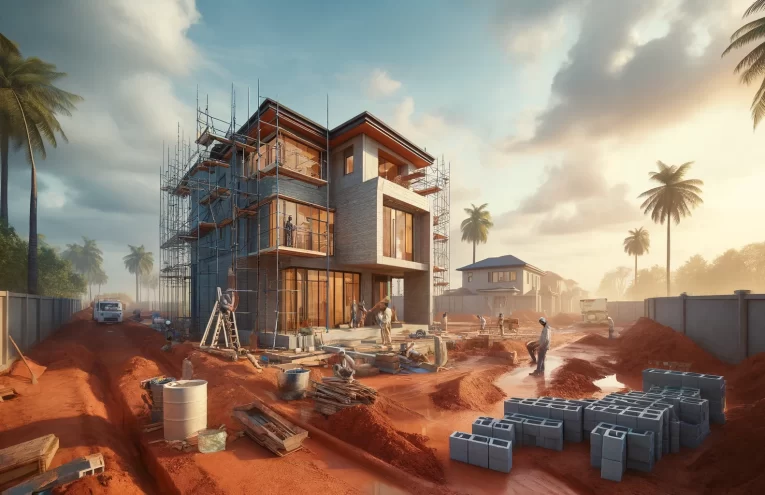
During the dry season, weather conditions are generally stable, making it the best time for major construction activities like land clearing, foundation laying, and structural work.
Advantages of Building in the Dry Season:
- Minimal weather disruptions: Less rainfall means fewer delays due to wet conditions.
- Faster drying time: Concrete, mortar, and plaster dry faster, improving structural integrity.
- Easier material transportation: Dry roads ensure materials can be transported without issues.
- Higher work efficiency: Workers can maintain a steady pace without constant weather interruptions.
Challenges of Building in the Dry Season:
- Higher labor and contractor demand: Because it’s peak construction season, labor costs can increase.
- Material price hikes: Cement, sand, and other materials are often more expensive due to high demand.
- Extreme heat: Harsh sun conditions can affect workers’ productivity, requiring additional cooling and hydration measures.
💡 Pro Tip:
To minimize costs, start sourcing materials during the rainy season when prices are lower, then store them properly for use in the dry season.
2. The Rainy Season (May – October)
🌧️ Not ideal for foundational and structural work, but useful for finishing work.
The rainy season brings heavy downpours, leading to flooded roads, slower construction progress, and higher risks of structural issues if building isn’t planned properly.
Disadvantages of Building in the Rainy Season:
- Water damage risks: Excess moisture can weaken cement mixtures, reducing structural strength.
- Worksite delays: Rain makes it difficult for workers to complete outdoor tasks efficiently.
- Transportation challenges: Muddy and flooded roads make it hard to transport materials.
- Land instability: Soil erosion and waterlogging can make foundation work risky.
When Can You Build During the Rainy Season?
While the rainy season isn’t ideal for major structural work, it can be a great time for:
✔️ Interior finishing: Painting, tiling, electrical work, plumbing, and carpentry can continue indoors.
✔️ Buying materials at lower costs: Cement, blocks, iron rods, and tiles tend to be cheaper due to reduced demand.
✔️ Planning and obtaining approvals: Use this period to secure government building permits and finalize architectural designs.
💡 Pro Tip:
If you must build during the rainy season, choose areas with good drainage and use water-resistant building materials to prevent future issues.
Market Trends & Economic Factors Affecting Construction Timing
Beyond the weather, the state of Nigeria’s economy, inflation, and market demand plays a key role in determining the best time to start building. Here’s what you need to consider:
1. Fluctuating Material Costs
Prices of materials such as cement, roofing sheets, tiles, and iron rods change based on exchange rates, inflation, and seasonal demand.
- Rainy season: Lower demand = Lower material prices
- Dry season: High demand = Higher material prices
💡 Pro Tip:
To cut costs, buy materials in bulk during the rainy season and store them in a dry, secure place until construction begins.
2. Contractor & Labor Availability
- Dry season = High demand for labor, leading to higher wages.
- Rainy season = Fewer ongoing projects, meaning labor may be cheaper and easier to hire.
💡 Pro Tip:
If you’re working with a tight budget, consider negotiating contractor fees before the peak dry season rush.
3. Government Policies & Regulations
The Nigerian government frequently adjusts policies on land ownership, building approvals, and importation of materials, which can affect your construction costs.
✔️ Stay updated on:
- Import duties on cement and building materials
- Land acquisition laws and permits
- Government development plans (e.g., road construction projects that may affect property value)
Best Time to Build Based on Construction Phase
1. Buying Land
📅 Best Time: All year round, but prices tend to be lower during economic downturns.
💡 Tip: Buy land before a major government project is announced in that area to enjoy appreciation.
2. Laying the Foundation
📅 Best Time: November – April (Dry season)
💡 Tip: Ensure you check soil composition and drainage conditions before starting.
3. Structural Work (Walls, Roofing, etc.)
📅 Best Time: December – March (Peak dry season for faster drying and stronger structures)
💡 Tip: Avoid building in extremely hot months (March – April) when laborers may be less productive.
4. Finishing Work (Painting, Tiling, Electrical, Plumbing, etc.)
📅 Best Time: May – October (Rainy season, since weather conditions don’t impact interior work)
💡 Tip: Consider using anti-moisture and mold-resistant materials for durability.
Final Verdict: When is the Absolute Best Time to Build in Nigeria?
The ideal time to build depends on your specific goals and budget. However, if you want to maximize efficiency and minimize costs, here’s what experts recommend:
🏡 Ideal Construction Timeline:
- Best time to buy materials? May – October (Rainy season)
- Best time to start construction? November – April (Dry season)
- Best time for cost savings? Purchase materials early, negotiate labor before the dry season.
Conclusion: Build Smart, Save More!
Building a home in Nigeria requires careful planning and timing. By choosing the right season, securing materials at the right time, and staying updated on market trends, you can avoid unnecessary expenses and delays.
✅ Plan ahead.
✅ Buy materials when prices are low.
✅ Build when weather conditions are stable.
✅ Hire experienced professionals who understand seasonal challenges.
📢 Looking to Start Your Dream Home?
OrionSky offers expert guidance, premium real estate opportunities, and construction support to help you build with confidence. Contact us today for exclusive deals on land, building materials, and professional construction services!