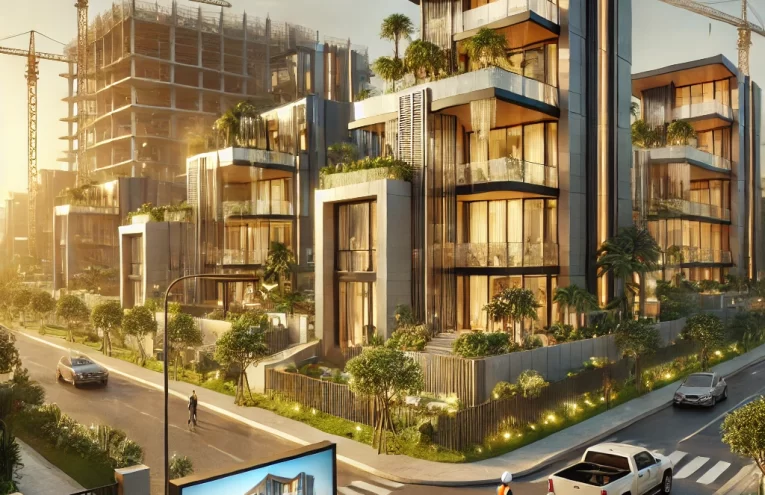

The world is undergoing a rapid digital transformation, and the real estate industry is no exception. From AI-driven property valuations to virtual reality (VR) property tours, technology is revolutionizing how people buy, sell, and invest in real estate. But what does this mean for Nigeria’s luxury real estate market? Will artificial intelligence and emerging technologies disrupt traditional processes, or will they unlock new opportunities for growth and innovation?
Nigeria’s real estate sector, particularly the high-end market, is at an exciting crossroads. While traditional property dealings have relied on physical inspections, personal connections, and intuition, the rise of data-driven decision-making, automation, and immersive technologies is ushering in a new era. The question isn’t whether AI and technology will change Nigerian real estate—it’s how quickly and profoundly this transformation will occur. Those who embrace this shift will gain a competitive advantage, while those who resist may find themselves left behind in an increasingly tech-driven world.
The Rise of AI in Global Real Estate
Artificial intelligence is reshaping the global real estate landscape, bringing efficiency, precision, and convenience to property transactions. In developed markets, AI-powered platforms analyze millions of data points to predict property values, optimize pricing strategies, and match buyers with their ideal homes. Chatbots and virtual assistants streamline customer interactions, reducing delays and enhancing the buying experience.
In cities like New York, London, and Dubai, AI-driven analytics can forecast market trends, detect patterns in buyer behavior, and even anticipate future real estate hotspots. For Nigerian real estate, these advancements present an opportunity to leapfrog traditional inefficiencies and embrace a smarter, more dynamic way of conducting business. As global investors turn their attention to Africa’s emerging luxury real estate market, AI’s ability to provide data-backed insights will be invaluable in making informed, strategic decisions.
Imagine a Lagos-based investor receiving AI-powered insights on emerging luxury hotspots before the competition. Or a prospective buyer taking a VR tour of a penthouse in Ikoyi from their home in London, making purchasing decisions without stepping foot in Nigeria. The possibilities are endless, and the implications are game-changing. The introduction of AI in Nigeria’s real estate sector is not just a passing trend—it is the beginning of a new way of doing business.
Technology’s Impact on Nigerian Real Estate
While Nigeria’s luxury real estate sector has traditionally relied on in-person interactions, word-of-mouth referrals, and physical inspections, technology is gradually reshaping the landscape. Here are some key innovations disrupting the industry:
1. Smart Property Listings & AI-Powered Recommendations
AI is transforming how properties are listed and discovered. Advanced algorithms analyze user preferences, location trends, and investment potential to recommend properties that best match a buyer’s needs. This means high-net-worth individuals can access tailored listings without sifting through countless options.
For luxury real estate developers, AI enables precise targeting of potential buyers, ensuring properties reach the right audience faster. Smart listings use AI-driven chatbots to engage with inquiries, providing instant responses and guiding prospects through their property search seamlessly. With an ever-growing volume of digital data, AI’s ability to refine recommendations ensures that buyers are connected with properties that truly align with their desires, saving time and streamlining the process.
2. Virtual Reality & Augmented Reality Tours
Gone are the days when buyers had to be physically present to experience a property. VR and AR technologies enable remote property viewings, allowing diaspora investors to explore luxury homes in Nigeria from anywhere in the world. This not only saves time but also broadens the market reach for developers.
With 360-degree immersive experiences, potential buyers can inspect every detail of a property, from the marble finishes to the panoramic balcony views, all from the comfort of their current residence. This makes decision-making faster and eliminates geographical limitations. Virtual staging tools can also help developers and realtors showcase properties in their best light, allowing buyers to visualize various decor styles and layouts.
3. Blockchain & Smart Contracts
Blockchain technology is bringing transparency and security to real estate transactions. Smart contracts enable seamless, fraud-resistant deals by eliminating the need for intermediaries. In Nigeria, where property disputes and fraudulent land sales are common, blockchain could be a game-changer in ensuring trust and legitimacy.
With blockchain-backed transactions, ownership records become tamper-proof, reducing the risk of duplicated titles and fake documentation. The integration of this technology could transform the Nigerian real estate market into a more credible and investor-friendly space. Additionally, blockchain can streamline the mortgage process, reducing paperwork and ensuring that transactions are executed faster and with greater efficiency.
4. AI-Driven Property Valuation & Market Analysis
Traditional property valuation methods rely on manual assessments and historical data. AI-driven valuation tools, however, can analyze vast datasets—including market trends, demand fluctuations, and neighborhood developments—to provide accurate, real-time property appraisals.
For investors looking to maximize returns, AI offers predictive insights, identifying undervalued properties before they appreciate in value. This strategic advantage allows investors to make data-backed decisions, minimizing risks and optimizing profitability. Developers can also use AI-powered insights to determine the best locations for new projects, ensuring that they build in areas with high demand and future appreciation potential.
5. Smart Homes & IoT Integration
Luxury real estate buyers are increasingly drawn to smart home technologies. From AI-powered security systems to voice-activated lighting and climate control, smart homes offer convenience, efficiency, and enhanced security.
In high-end Nigerian properties, integrating IoT (Internet of Things) innovations can redefine the luxury living experience. Homeowners can remotely control appliances, monitor energy consumption, and ensure top-tier security at the tap of a button. Smart real estate isn’t just about comfort—it’s about reimagining the future of how we live. The demand for connected, automated homes will only continue to grow, making smart technology an essential feature for premium real estate.

Challenges of AI & Tech Adoption in Nigerian Real Estate
Despite its potential, integrating AI and advanced technology into Nigeria’s real estate market comes with challenges:
- Infrastructure & Internet Connectivity: Reliable internet is essential for smart technologies and virtual property experiences.
- Data Availability & Accuracy: AI thrives on data, but Nigeria’s real estate sector lacks comprehensive, digitized records.
- Regulatory & Legal Hurdles: The adoption of blockchain and AI in real estate transactions requires policy frameworks to ensure compliance and security.
- Trust & Market Readiness: Traditional buyers and investors may be hesitant to fully embrace AI-driven transactions without a proven track record.
However, as technological literacy grows and more success stories emerge, these obstacles will become easier to overcome. The key to overcoming these challenges lies in collaboration between government bodies, private sector players, and technology firms to create an ecosystem that supports AI adoption in real estate.
Conclusion: A New Era of Real Estate Awaits
AI and technology are not threats to Nigerian real estate but powerful tools for evolution and progress. The key is to harness these advancements strategically, ensuring they complement rather than replace the human touch that defines luxury real estate experiences. For investors, buyers, and developers, staying ahead of these trends will be the difference between simply keeping up and truly leading the market.
At OrionSky, we don’t just adapt to change—we drive it. Welcome to the future of luxury real estate in Nigeria.